
Choosing the right logo application for your custom bags is crucial. The wrong technique can ruin the fabric’s texture, fade quickly, or exceed your budget. This guide from Total Pack will help you match the perfect logo technique with the right bag material.
1. Silk Screen Printing
-
Best for: Canvas, Nylon, Polyester, Non-woven fabric.
-
Pros: Cost-effective for large orders, vibrant colors, durable.
-
Cons: Setup costs for each color, not suitable for complex gradients or tiny details.
-
Common Bags: Shopping tote bags, promotional backpacks, cosmetic pouches.
2. Embroidery
-
Best for: Canvas, Heavy Cotton, Oxford cloth.
-
Pros: Premium look and feel, highly durable, adds a 3D texture.
-
Cons: Higher cost, not suitable for waterproof materials (punctures the coating), complex designs require high stitch counts.
-
Common Bags: Laptop backpacks, student bags, tote bags.
3. Heat Transfer Printing
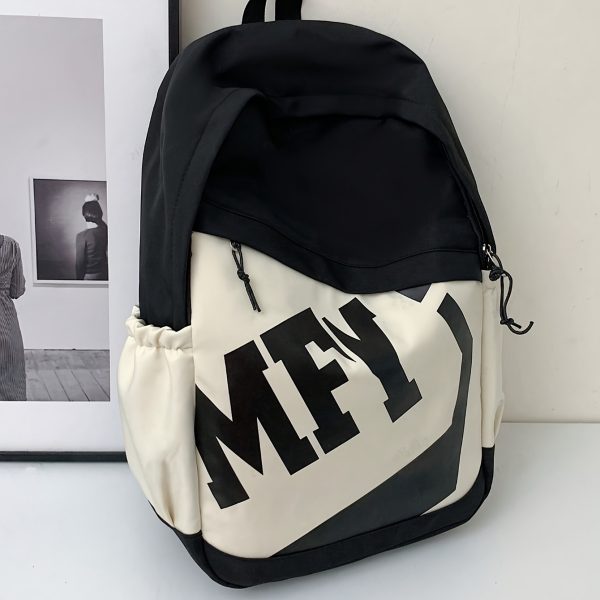
Best for: Nylon, Polyester, PU Leather, and complex smooth surfaces.
Pros: Supports full-color complex designs and gradients, no color limits, relatively fast.
Cons: Can peel over time if not applied correctly; not breathable.
Common Bags: Sports backpacks, neoprene beach bags, fashion cosmetic bags.
4. Silicone Printing / 3D Rubber Print
Best for: PU Leather, Nylon, Canvas.
Pros: Modern 3D effect, highly durable, waterproof, eco-friendly.
Cons: Slightly higher cost than standard screen printing.
Common Bags: Tactical bags, outdoor backpacks, trendy cosmetic cases.
5. Hot Stamping / Hot Silver
Best for: PU Leather, Genuine Leather, Velvet, Quilted fabrics.
Pros: Extremely elegant, luxurious metallic finish, fast process.
Cons: Can rub off over a long period of heavy use; not suitable for textured fabrics.
Common Bags: Evening bags, premium cosmetic cases, PU handbags.
6. Embossing / Debossing
Best for: PU Leather, Genuine Leather, EVA materials.
Pros: Subtle, premium, blind deboss (no color) is very popular in luxury branding. Doesn't fade.
Cons: Low contrast; requires a metal plate mold (adds initial cost).
Common Bags: Leather handbags, premium wallets, business briefcases.
7. Metal Plates & Hardware
Best for: PU Leather, Genuine Leather, Thick Canvas.
Pros: Ultimate luxury feel, durable, reusable (can be riveted or sewn).
Cons: Highest cost, adds weight.
Common Bags: High-end business backpacks, luxury women's bags.
Best for: Nylon, Polyester, PU Leather, and complex smooth surfaces.
Pros: Supports full-color complex designs and gradients, no color limits, relatively fast.
Cons: Can peel over time if not applied correctly; not breathable.
Common Bags: Sports backpacks, neoprene beach bags, fashion cosmetic bags.
Best for: PU Leather, Nylon, Canvas.
Pros: Modern 3D effect, highly durable, waterproof, eco-friendly.
Cons: Slightly higher cost than standard screen printing.
Common Bags: Tactical bags, outdoor backpacks, trendy cosmetic cases.
Best for: PU Leather, Genuine Leather, Velvet, Quilted fabrics.
Pros: Extremely elegant, luxurious metallic finish, fast process.
Cons: Can rub off over a long period of heavy use; not suitable for textured fabrics.
Common Bags: Evening bags, premium cosmetic cases, PU handbags.
Best for: PU Leather, Genuine Leather, EVA materials.
Pros: Subtle, premium, blind deboss (no color) is very popular in luxury branding. Doesn't fade.
Cons: Low contrast; requires a metal plate mold (adds initial cost).
Common Bags: Leather handbags, premium wallets, business briefcases.
Best for: PU Leather, Genuine Leather, Thick Canvas.
Pros: Ultimate luxury feel, durable, reusable (can be riveted or sewn).
Cons: Highest cost, adds weight.
Common Bags: High-end business backpacks, luxury women's bags.